The overlooked part of preparing for a hunting trip is not choosing the right jacket. It is confirming what the guide, property and current rules require before loading the vehicle. A heavy pack can slow movement, create noise and bury useful items under unnecessary gear. Decide what problem each item solves, communicate early about conditions and leave room for legal and ethical judgment in the field.
Start with the hunt, not the gear closet
Before buying or packing anything, ask what the trip will involve. What species and season are involved? Will the day include a blind, stand, still-hunting, tracking or a mix? How far might you walk from parking, and what weather or terrain should you expect? A guide should explain the basic plan without promising an outcome.
For whitetail deer hunting near Salt Fork State Park, ask whether access is on public land, private land or both, and which equipment the guide expects you to provide. Do not assume a setup from another state applies in Ohio. Confirm approved hunting methods, hunter orange requirements, tagging and transportation procedures, and restrictions for the specific season or property.
These questions also prevent overpacking. A hunt based in a fixed blind may not require a large backpacking load. A long approach makes footwear and water more important than extra optics or duplicate layers.
Make every item earn its place
Pack around four functions: staying safe, staying legal, staying warm and making responsible shot decisions. Use clothing in layers rather than packing several separate outfits. Choose quiet outerwear suited to the forecast, with a warm layer that can be removed without disturbing the rest of the pack.
A compact seat pad, water, food, a small first-aid kit, navigation backup and weather protection usually solve more problems than duplicate knives, oversized tools or multiple clothing changes. Keep essential medication and emergency contact information accessible. Test zippers, batteries and headlamps before departure, not at the trailhead.
Use this pre-departure checklist:
– Confirm the species, dates, access area and legal method with current official guidance.
– Ask the guide what is supplied and what you must bring.
– Pack required identification, licenses, permits and tagging materials.
– Check clothing against the forecast, including rain, cold and wet ground.
– Carry water, food, medication, a small first-aid kit and a charged phone.
– Verify optics, firearm or bow condition, ammunition or arrows, and safe transport arrangements.
– Remove duplicates and anything whose practical use you cannot explain.
This is not a contest to reduce weight at any cost. A spare dry layer is sensible when cold rain is likely. Leaving it behind because it seems redundant is false economy if discomfort affects concentration or safe decisions.
Have the guide conversation before arrival
A short call or clear message can prevent common planning mistakes. Share your experience level, physical limitations, preferred pace and any concerns about walking, climbing or sitting for long periods. A guide cannot adjust the plan around information provided after the hunt begins.
Ask when to arrive, where to meet, how to communicate in the field and what happens if weather changes. Clarify whether you should bring a pack, seat, calls, shooting sticks or field-dressing supplies. If the guide says an item is unnecessary, follow that advice unless it conflicts with a safety or legal requirement.
Be direct about your goals. A hunter seeking a particular age or sex of deer may need a different decision standard from someone hoping simply to fill a legal tag. Agree on how to handle uncertain identification, a marginal shot opportunity or an animal crossing a boundary. Good planning leaves room to pass.
Check Ohio rules close to the date
Regulations are part of preparation, not last-minute paperwork. Ohio hunting regulations, season dates, licensing requirements, approved equipment, tagging rules and public-land conditions can change. Check current guidance from the Ohio Department of Natural Resources and confirm that it applies to the species, zone, season and access arrangement involved.
Do not rely on an old screenshot, a remembered rule or a permit for another unit. Save current documents on your phone, carry required physical materials when necessary and consider how poor reception could affect access to them. A guide can provide practical direction, but the hunter remains responsible for following the law.
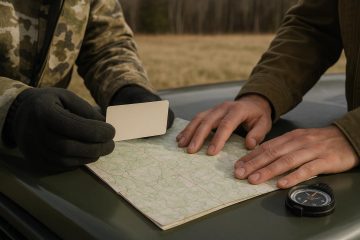
Ask specifically about boundary lines and firearm or archery restrictions. A map that looks clear at home may not settle a field question involving neighboring property, roads, buildings or changing access. When the legal answer is uncertain, stop and verify rather than treating confidence as permission.
Let conservation shape the field decision
Ethical hunting is reflected in decisions before and after a shot. Do not take a low-confidence opportunity because travel costs, time off work or group expectations create pressure. The question is not whether a shot is technically possible, but whether the animal can be identified clearly and whether you can reasonably expect a clean result from that position and distance.
Respect access conditions, gates, marked boundaries and quiet areas. Avoid unnecessary wildlife disturbance, leave no food or trash behind, and follow instructions for carcass handling and transport. If an animal is wounded, tell the guide immediately and follow a deliberate tracking plan rather than rushing after it or assuming the outcome.
Conservation also means accepting an unfilled trip when conditions do not support a responsible harvest. Weather, visibility, animal movement and fatigue can change the decision. A legal opportunity is not automatically an ethical one.
Return with less, and learn more
After the trip, separate genuinely useful gear from items that only occupied space. Note what stayed dry, what failed, what you never touched and what the guide wished you had brought. That record is more useful than copying another hunter's loadout because it reflects your body, the terrain and the season.
Preparation should make judgment easier, not replace it. Pack for the actual plan, verify changing rules, communicate plainly and keep enough flexibility to pass on a questionable opportunity. A lighter, purposeful load supports safer hunting and stronger conservation ethics.
0 Comments